
AI News · Week 249 June 2026
Has OpenAI just made Lovable obsolete?ChatGPT builds apps, Windows turns agentic.
This week’s big news comes mainly from OpenAI and Microsoft: ChatGPT builds apps, gets a memory and accesses Gmail, while Windows becomes an operating system for agents. Meta is also selling via WhatsApp, and Anthropic keeps building in the background.
01 · OpenAI
Codex now builds your apps itself and hosts them.
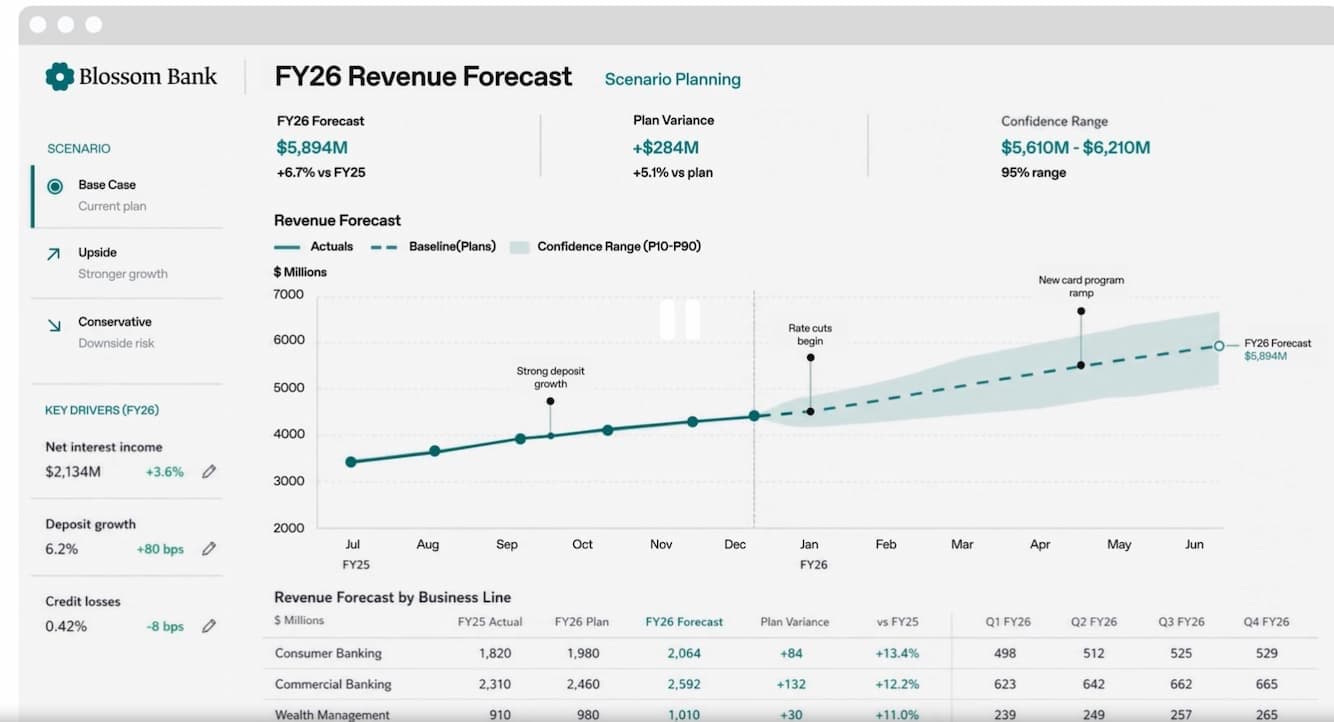
OpenAI has released three new features at once, and all three make ChatGPT more independent. The first is called “Codex Sites”: you describe in a prompt what you need, and Codex builds the finished application, runs it and gives you back a shareable URL. The prompt “Build a KPI dashboard” thus becomes a finished, hosted app.
There is no need for hosting and no deployment step. Nor are these static click dummies: dashboards, trackers and internal tools get their own data storage and can be updated by automation. With this, OpenAI has officially entered the field of app builders. Tellingly, in its own announcement OpenAI names Lovable, Wix, Replit and Figma of all companies as “early partners”, so it is not (yet) displacing them but bringing them into its own ecosystem.
One damper remains: Sites builds internal tools with a ChatGPT login, not public shop pages, and is for now only available in preview for Business and Enterprise accounts.
What does this mean for you?
We personally are still big fans of Lovable and use it regularly, especially for small internal tools and dashboards. It now offers numerous possibilities that Codex is surely still some way off. We are curious to see how this develops and where we will be vibe coding in six months’ time.
02 · OpenAI
ChatGPT gets a memory that thinks along.
With “Dreaming”, ChatGPT brings memories together in the background across many conversations and keeps them up to date. “We are launching the new collection in August” becomes, after the launch, “your collection has been live since August”. Outdated information fades, fresh information moves to the front. The assistant no longer has to be briefed anew in every session.
The launch comes first for Plus and Pro in the USA, with other countries and the free tier following in the coming weeks. In the DACH region, the feature is therefore not necessarily available yet. The accuracy figures OpenAI advertises come from its own tests.
What does this mean for you?
Practical for recurring processes. The downside: the system also remembers what it infers about you. A new overview page shows this. Take a look at it before dealing with sensitive topics and customer data.
Source: OpenAI: ChatGPT Memory, Dreaming
03 · OpenAI
ChatGPT accesses your Gmail and takes action.
ChatGPT can now access your Gmail: pulling appointments, invoices and conversation histories straight from the inbox and even sending emails directly from the chat. What is new above all is acting rather than just reading. In doing so, however, OpenAI is catching up rather than leading: with Claude, such a Gmail connector has long been standard.
What does this mean for you?
This saves real back and forth between chat and inbox in everyday work. At the same time, you are giving the AI access to your digital life. Clarify beforehand which accounts and data you really want to share.
Source: OpenAI Help Center: Google app for ChatGPT, data controls FAQ
04 · Microsoft
AI becomes part of Windows and is no longer an app.
Microsoft is rebuilding Windows into an operating system for agents. At Build last week, the focus was not on a new program but on a rebuild of the operating system itself. In future, AI agents in Windows will no longer be a separate app but an integral part of the system, with their own permissions and security rules.
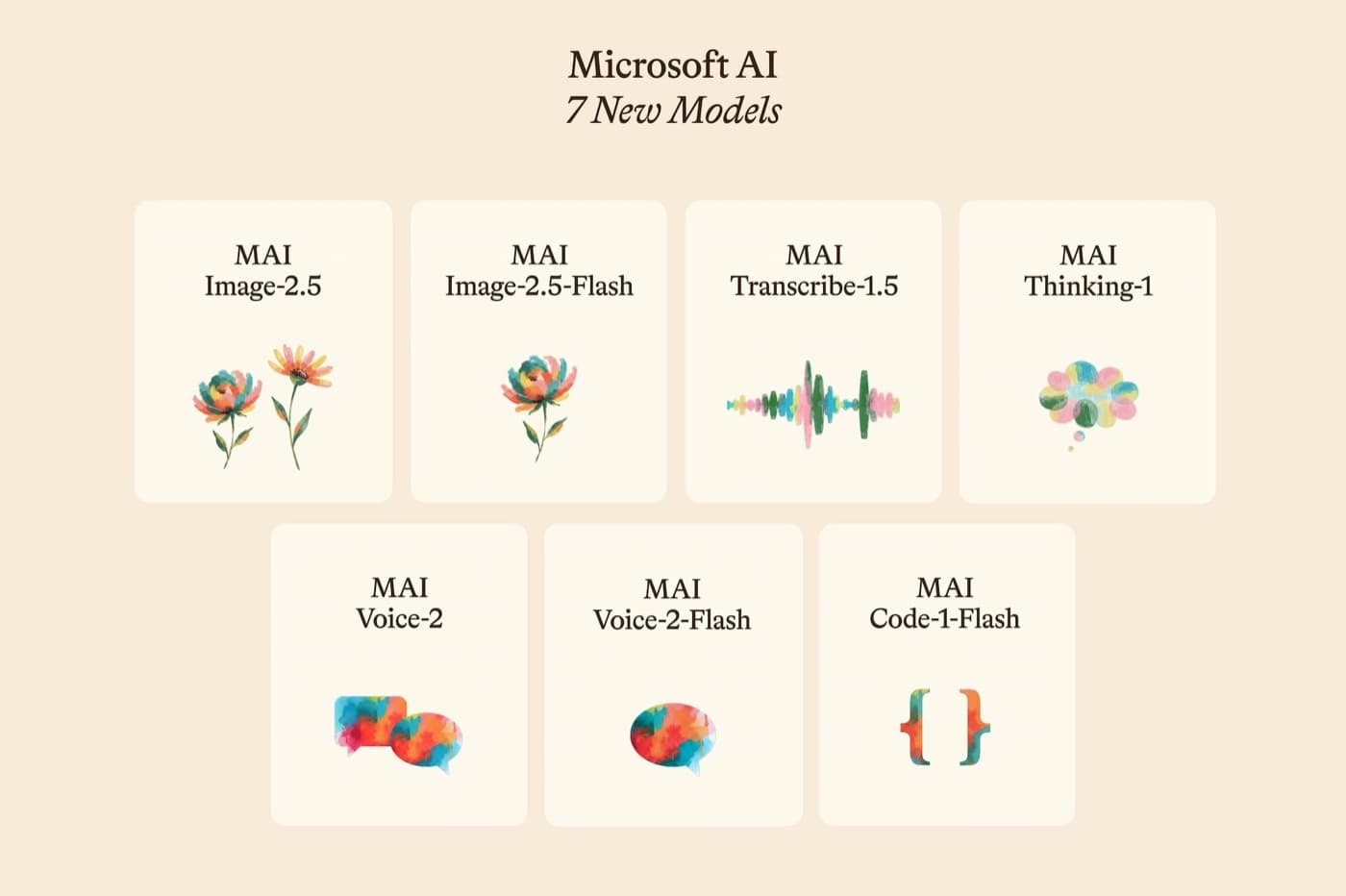
Instead of opening a program, you say what needs to be done and the PC takes care of it. The first agents for calendar, files and communication run directly from the taskbar. Microsoft has also presented seven models of its own (MAI) and is making itself more independent of OpenAI. One of them has been part of GitHub Copilot since 2 June.
What does this mean for you?
The real shift: AI is no longer a program you open but a layer in the operating system that takes on tasks. For ordinary users, this will only arrive gradually from the second half of the year. Your Copilot, however, is already running increasingly on Microsoft’s own models today.
Source: Windows Blog: Build 2026, furthering Windows as the trusted platform for development, 02.06.2026
05 · Microsoft
Microsoft Scout: the agent that works without being prompted.
With “Scout”, Microsoft is presenting its first autopilot: an agent that runs permanently in the background, has its own identity and acts on your behalf without being asked at every step. It sits in Teams, Outlook, OneDrive and SharePoint, coordinates appointments across time zones, independently blocks time for upcoming deliverables and flags risks such as stalled decisions before they hold everything up.
It can make sensitive actions subject to your approval. For now, Scout is only available in a closed preview for selected Enterprise customers.
What does this mean for you?
Relevant above all if you already work in the Microsoft world (Teams, Outlook, 365). From the paperclip Clippy (1997) through Cortana to Copilot, Microsoft has been trying to anchor a real assistant in Office. Until now, though, all of them waited for your command. Scout is the first to work ahead on its own rather than merely react: a long-awaited step for 365 users, even if it is still in Enterprise preview.
Source: Microsoft 365 Blog: Introducing Microsoft Scout, your always-on personal agent, 02.06.2026
06 · Microsoft
OpenClaw now runs securely on Windows.
The best-known open-source agent, OpenClaw, notorious for its power but also for security mishaps, will in future run natively on Windows. Its creator Peter Steinberger (now at OpenAI) appeared on the Build stage himself for the occasion.
This is made possible by Microsoft’s new protective layer, “Execution Containers”: each agent runs in an isolated sandbox and can only reach what you approve. The public preview starts next month, and the feature becomes broadly available with the Windows update in October.
What does this mean for you?
Exactly the right answer to the security question raised by autonomous agents: instead of detecting attacks, Microsoft locks the agents in from the outset. Containment instead of blind trust.
07 · Meta
Meta turns AI into a salesperson but is still struggling with security.
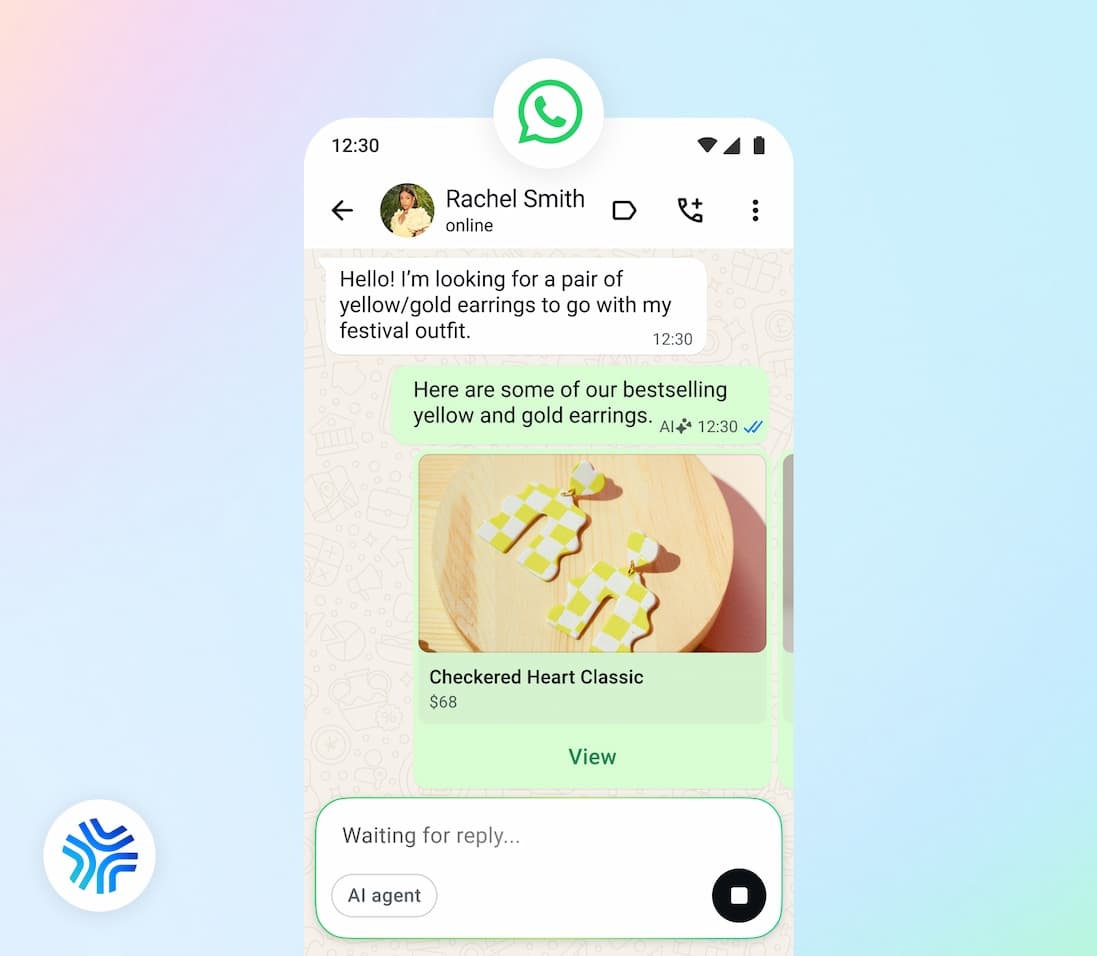
Meta’s “Business Agent” answers customer enquiries on WhatsApp, Messenger and Instagram, recommends products from your catalogue, books appointments, qualifies leads and closes sales directly in the chat, from the enquiry to the product suggestion. For larger retailers, the separate platform connects to Shopify, Zendesk and the like, and the agent then acts within your systems. At present, however, access is limited to selected accounts plus a waiting list, and getting started is free.
Just how delicate AI bots with account access are became apparent at Meta itself last week: attackers used a simple chat instruction to get Meta’s AI support bot to take over other people’s Instagram accounts. This worked entirely without a password, by asking the bot to add a new email address and thereby bypassing two-factor protection.
Among those affected were the (inactive) Instagram account of the Obama White House and valuable short handles. Meta responded with an emergency patch, and accounts with two-factor authentication enabled were spared.
What does this mean for you?
For everyone who sells via WhatsApp or Instagram, this is the most exciting development of the week, but it is not yet ready for live use with real customers. An agent that acts on its own and has access to accounts and the back end is also a new attack surface. Keep an eye on the topic and test on a small scale, but do not yet let the agent loose blindly on your customer business. The direction is right, the maturity is still lacking.
Sources: Meta Newsroom · Business Insider: Sicherheitsvorfall bei Metas Chatbot, Juni 2026
08 · Anthropic
Things stayed quiet at Claude, but work continues in the background.
Things stayed quiet at Claude this week, as Opus 4.8 was the big release only the week before. In the background, however, Anthropic keeps building: access to the next model, Mythos, has been extended to around 150 further organisations. It is not yet publicly available.
What does this mean for you?
This is worth watching over the coming weeks. And if you use Claude Cowork: the usage limits are doubled this month, until 5 July.
To close.The key point of the week.
The common thread of the week: AI is no longer just answering. It acts, in apps, in the office, in the inbox and at checkout.